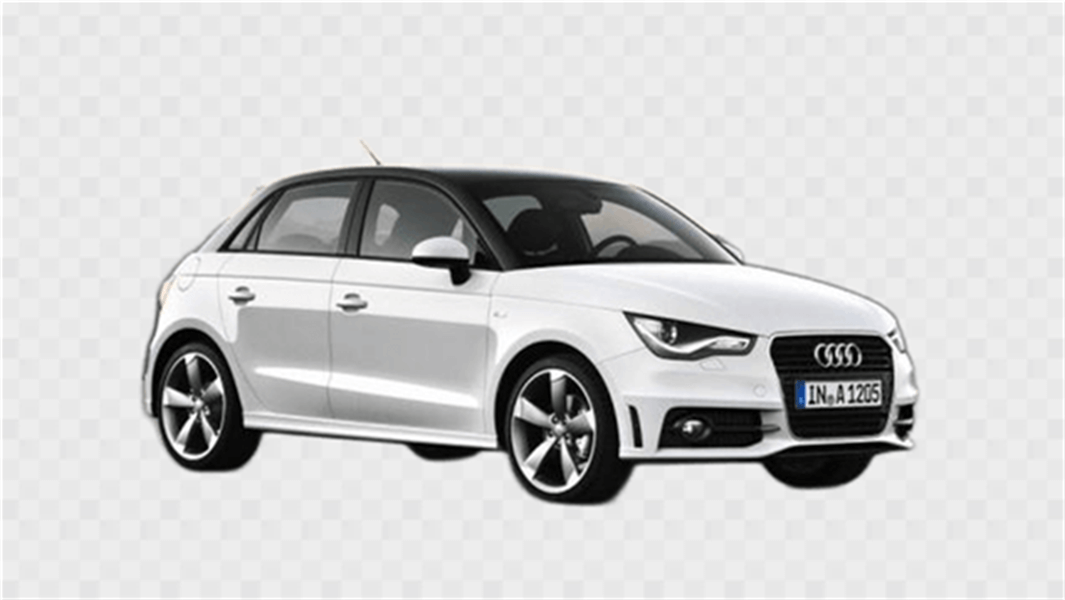
Removing a background means separating a subject from surrounding pixels. It does not automatically enlarge, denoise, sharpen or retouch that subject. The original article grouped several external product claims together; this revision limits current-site guidance to the controls VanceReview actually presents.
Before starting
Choose a JPEG or PNG up to 10 MiB that you have permission to process. Keep an unchanged copy. Check the subject's edges and the details you need to preserve. A source with low contrast, motion blur or overlapping objects may be difficult to isolate cleanly, and this workspace does not supply manual mask repair.
VanceReview's cloud image execution was unavailable in our latest verification on 16 November 2026. The steps below explain the interface and acceptance checks; they do not mean image execution is restored. If the service is unavailable, keep the source and return later.
Follow the current workspace
- Open Background Remover and select one image. Check that the preview is the intended source.
- Review the sign-in prompt and current access information. A local preview is possible before a completed cloud job; it is not an entitlement or processing result.
- When available, start processing and wait for an explicit result. Do not infer completion from upload progress or a selected filename.
- Compare the result with the source. Check edges, thin objects, transparent material, gaps and shadows.
- Download only a completed result through the provided control, then open the saved file and verify the required transparency and dimensions.
Keep additional edits separate
The current site offers background removal and photo colorization. It does not expose AI enlargement, denoising, sharpening, background replacement or a layer editor. Use an appropriate separate editor if the final image needs those operations. Selecting a different output format cannot substitute for a corrected mask.
If you require alpha, avoid flattening the final cutout to JPEG because JPEG cannot preserve transparency. Confirm the actual saved format rather than relying on the original filename or on how a preview looks against one background.
Respond to errors with the right action
For an invalid file, check real format and size; changing an extension does not convert it. For an access error, restore the correct account session or consult current plans. For service unavailable, return later instead of repeatedly submitting the same image. A failed request does not create a downloadable result.
Read the Privacy Policy before cloud-uploading private photographs. For listing assets, see ecommerce cutout checks. Preserve your source until the downloaded file has passed the checks for its actual use.